What Should NH Residents Check in an Energy Plan?
A New Hampshire guide to reading energy plan terms—rate structure, contract length, renewable content, and cancellation rules—before choosing a supplier.

Written by Hash Manesia
Published on Oct 20, 2026
|
10 min read
Reviewed by Jeff Mahoney

What Should NH Residents Check in an Energy Plan?
Why Comparing Energy Plans Matters in New Hampshire
New Hampshire has a competitive retail energy market, which means you can choose a supplier separate from the company that delivers power to your home. This setup is overseen by the New Hampshire Public Utilities Commission. Because multiple suppliers can offer different rates and terms, comparing plans before you sign gives you a clearer picture of what you're actually agreeing to.
Plans vary in rate structure, contract length, renewable content, and cancellation terms. None of these details show up unless you look closely at the contract. Taking a few minutes to compare them side by side helps you avoid surprises later in your billing cycle.
Understanding Your Utility vs. Your Energy Supplier
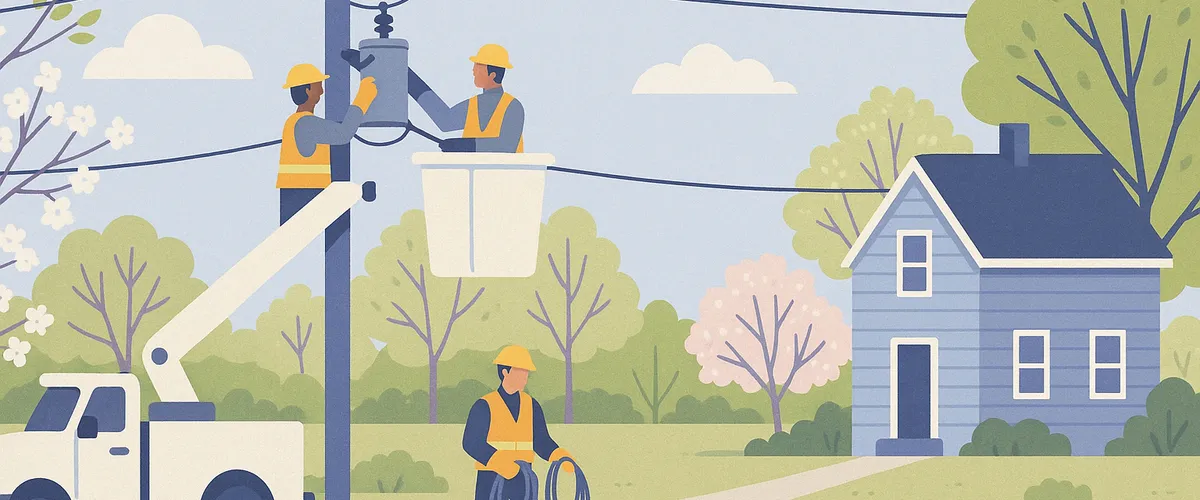
Your utility and your energy supplier play different roles, even though both appear on your bill. The utility owns and maintains the physical wires, responds to outages, and delivers electricity to your home regardless of which supplier you choose. In New Hampshire, this role belongs to Eversource Energy, Liberty Utilities, or Unitil, depending on where you live.
The supplier, on the other hand, is the company that sells you the actual energy commodity. You can switch suppliers without affecting your utility service, since the utility continues to maintain the lines and handle emergency repairs no matter who supplies your electricity. Keeping this distinction clear helps you understand which company to contact for which issue — outages go to the utility, while billing rates or contract terms go to the supplier.
Rate Structure: Fixed vs Variable Pricing
A fixed-rate plan locks in a per-unit price for the length of your contract, so your rate doesn't change even if wholesale energy costs shift. A variable-rate plan, by contrast, can move up or down from one billing cycle to the next based on market conditions. Each structure suits different priorities, depending on whether you value predictability or flexibility.
Before signing either type of plan, it helps to ask a few direct questions. Find out how often a variable rate can change, whether there's a cap on how high it can rise, and what triggers a fixed rate to convert to a different pricing structure at the end of its term. These answers tell you how much price movement you should realistically expect.
Contract Length and Renewal Terms
Contract length determines how long your rate structure stays locked in before anything can change. A longer-term contract generally offers more price stability, while a shorter one gives you more frequent chances to reassess your options. Either approach can make sense depending on how closely you want to track your plan's terms.
Pay close attention to what happens when your term ends. Some contracts roll over automatically into a new term or shift to a different rate structure if you don't take action beforehand. Mark your renewal date and review the terms again as it approaches, so you aren't caught off guard by a plan that changed without your active choice.
Renewable and Green Energy Content
Many plans advertise a renewable or green energy content percentage, which refers to the share of electricity matched with renewable energy certificates. These certificates confirm that a certain amount of renewable generation was added to the grid on your behalf, though the electrons reaching your home are drawn from the same shared grid as everyone else's.
- A renewable content claim should specify what percentage of the plan is certificate-backed versus the regional grid baseline.
- The contract or disclosure document should name the certification or tracking system backing the claim so you can verify it independently.
- Any difference in price tied to the green content should be stated separately, not folded into the base rate without explanation.
Cancellation Terms and Early Termination Fees
Before you sign a contract, check whether it includes an early termination fee and how that fee is calculated. Some plans charge a flat fee for leaving before the term ends, while others calculate a charge based on how much time remains on your contract.
Also look for the required notice period if you plan to switch suppliers or move. Some contracts ask for written notice a set number of days before your term ends, and missing that window can trigger an unwanted renewal. Understanding these conditions upfront means you won't be stuck paying a fee you didn't anticipate if your circumstances change.
Reading the Contract Summary Before You Sign
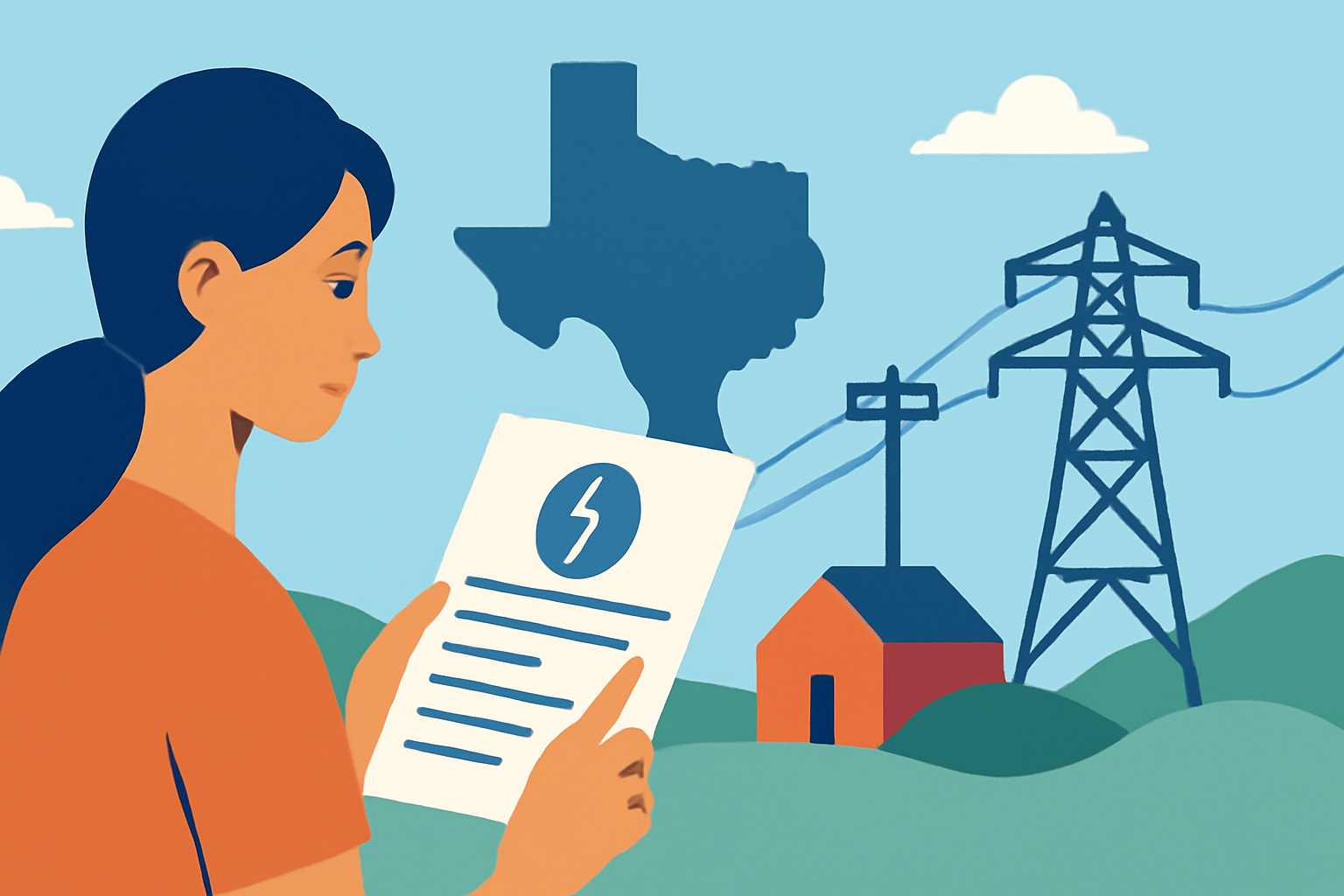
New Hampshire suppliers are required to give you a contract summary, sometimes called a Uniform Disclosure Statement, that lays out the plan's key terms in a standardized format. This document is designed to let you review plans side by side without digging through pages of fine print.
When you receive this summary, scan first for the rate structure, the contract length, any early termination fee, and the renewable content percentage. These four items tell you most of what you need to know about how the plan behaves over time. If anything in the summary seems unclear or conflicts with what a sales representative told you, ask for clarification in writing before signing.
How the NH PUC Protects Energy Consumers
The New Hampshire Public Utilities Commission oversees supplier conduct in the state's competitive energy market, setting rules for how plans must be disclosed and marketed. It doesn't set the prices suppliers charge, but it does require that contract terms be presented clearly and that suppliers follow consistent disclosure practices.
If you run into a dispute with a supplier or have questions about a plan's terms, the NH PUC is the agency to contact. It maintains channels for consumer questions and complaints, giving you a resource outside the supplier itself if something in your contract doesn't match what you were told.
How Gatby Helps Simplify Plan Comparison
Gatby helps New Hampshire residents find and compare available energy plans in one place, without acting as a supplier itself. Gatby pulls together plan details like rate structure, contract length, and renewable content so you can review them side by side.
Because Gatby isn't a supplier, it doesn't sell you energy or set the rates you see — it simply organizes the information suppliers publish so you can make sense of it. That distinction matters when you're trying to figure out who to contact for what, whether it's a question about your contract terms or your actual electricity delivery.
Frequently Asked Questions
What is the difference between a utility and an energy supplier in New Hampshire?
A utility owns and maintains the poles and wires that deliver electricity to your home, and it handles outages and emergency repairs no matter who supplies your energy. In New Hampshire, the utility serving your area is Eversource Energy, Liberty Utilities, or Unitil. A supplier is a separate company that sells you the actual electricity you use, and you can choose among different suppliers in the competitive market. Switching suppliers doesn't change who delivers your power or who shows up if the lines go down. Knowing this distinction helps you route questions correctly: contact your utility about outages or delivery issues, and contact your supplier about your rate, contract terms, or billing for the energy itself. Both companies typically appear on the same monthly bill, which is part of why the distinction can be confusing at first glance.
How does a fixed-rate plan differ from a variable-rate plan?
A fixed-rate plan locks in a set price per unit of energy for the duration of your contract, so your rate stays the same even if market prices shift. A variable-rate plan can change from one billing cycle to the next, moving up or down based on current market conditions. Fixed plans offer more predictability for budgeting, while variable plans offer more flexibility but less certainty about future costs. Before choosing either, ask how often a variable rate can adjust and whether there's any limit on how high it can go. Also ask what happens to a fixed-rate plan once its term ends, since some contracts shift automatically into a variable structure. Understanding these mechanics ahead of time helps you pick a plan that matches how much rate movement you're comfortable with.
What should I check about contract length before signing an energy plan?
Contract length tells you how long your current rate structure and terms will stay in place before anything can change. Longer contracts tend to offer more price stability, while shorter ones give you more frequent opportunities to reassess your options. Check what happens at the end of the term, since many contracts renew automatically or shift to a different rate structure if you don't take action. Look for the specific renewal date and any notice period required if you want to switch or cancel instead of renewing. Marking that date on your calendar and reviewing your plan's terms as it approaches helps you avoid being automatically moved into a new term you didn't actively choose. This single habit prevents most of the unpleasant billing surprises tied to contract expiration.
What does renewable or green energy content mean in an energy plan?
Renewable or green energy content refers to the percentage of a plan matched with renewable energy certificates, which document that a certain amount of renewable generation was added to the grid on your behalf. It doesn't mean the specific electrons reaching your home are renewable, since all electricity on the grid is mixed together before it's delivered. To verify a renewable content claim, check the contract or disclosure document for the certification or tracking system backing it, and confirm what percentage is certificate-backed versus the standard grid mix. Any added cost tied to the renewable content should be stated separately from the base rate. Reviewing these details helps you understand exactly what you're paying for if a green energy claim is part of your decision to choose a particular plan.
What fees or notice periods should I look for regarding cancellation?
Before signing, check whether the contract includes an early termination fee and how that fee is calculated, since some plans charge a flat amount while others scale the charge to the time remaining on your term. Also look for any required notice period if you plan to switch suppliers or move before your contract ends. Missing a notice window can sometimes trigger an automatic renewal you didn't intend, locking you into another term. These terms are usually listed in the contract summary alongside the rate structure and contract length, so reviewing that document closely before you sign is the easiest way to avoid a fee you weren't expecting. If anything about the cancellation terms is unclear, ask the supplier to clarify in writing before you commit to the plan.
What is the NH PUC's role if I have a dispute with my supplier?
The New Hampshire Public Utilities Commission oversees how energy suppliers operate in the state's competitive market, including how they disclose and market their plans. It doesn't set the prices suppliers charge, but it does require consistent, clear disclosure practices so you can review plans fairly and understand what each one offers. If you have a dispute with a supplier or a question about contract terms that the supplier hasn't resolved, the NH PUC maintains channels for consumer questions and complaints. This gives you a resource outside the supplier itself when something in your bill or contract doesn't match what you were told at signup. Keeping a copy of your contract summary and any related correspondence makes it easier to explain your situation if you do need to reach out to the commission.
Related reading
Let Autopilot take energy shopping off your plate — just enter your zip code
Table of Contents
Table of Contents
You may also like