How Do You Read a New Jersey Utility Bill?
Learn how to read a New Jersey utility bill, from delivery and supply charges to meter readings, billing cycles, and NJ BPU rules on switching energy…

Written by Hash Manesia
Published on Oct 6, 2026
|
7 min read
Reviewed by Jeff Mahoney
How Do You Read a New Jersey Utility Bill?
What Sections Make Up a New Jersey Utility Bill?
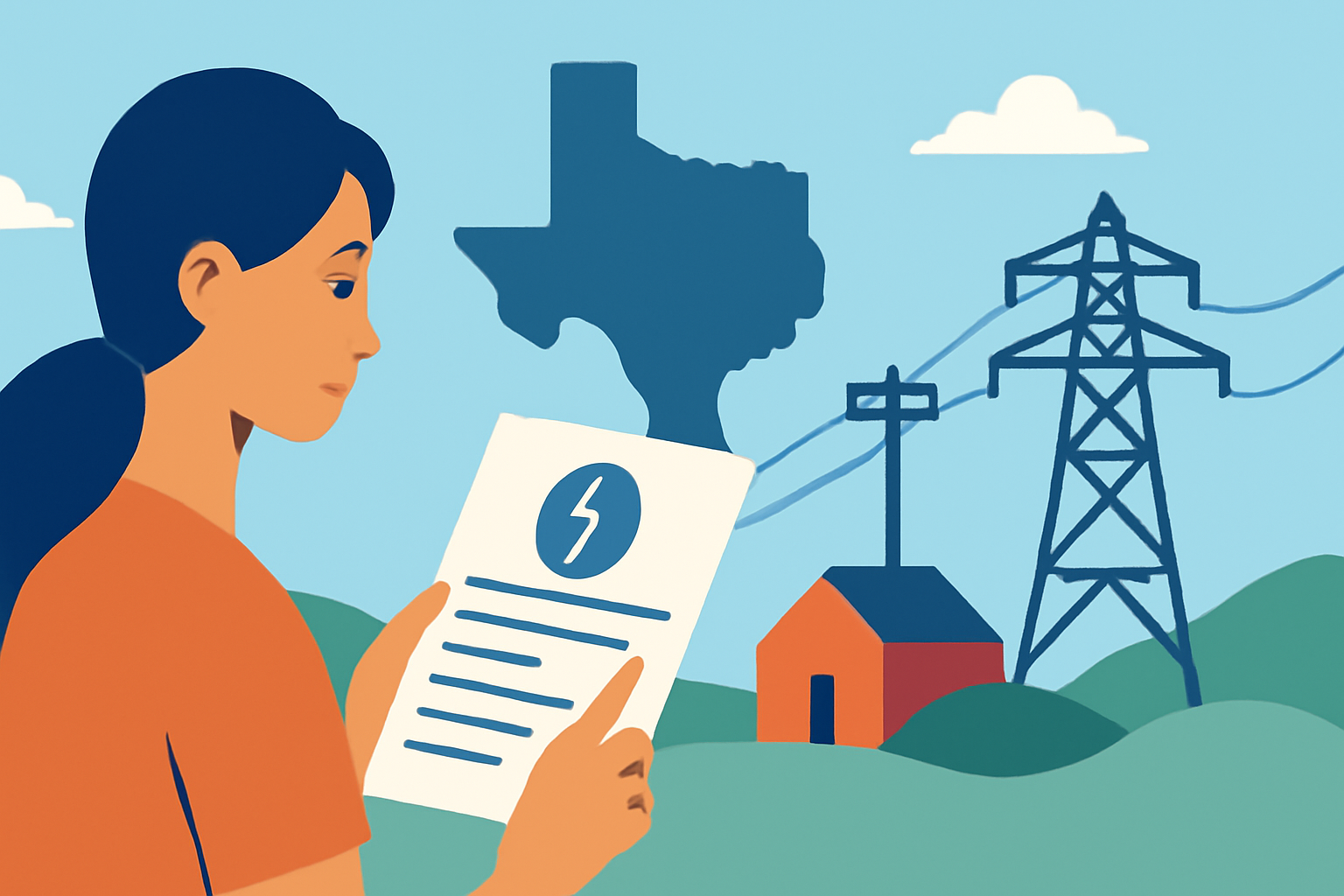
A utility bill in New Jersey is typically organized into distinct sections that together explain how a total amount due was calculated. Most statements open with account information and a summary of the amount owed, followed by a breakdown of charges tied to energy usage. Customers will generally encounter a delivery charge, a supply charge, details about meter readings, and information about the billing cycle covered by that particular statement. Understanding how these pieces fit together makes it easier to interpret month-to-month changes and to compare a current bill against past statements.
- Account and customer information
- Total amount due and payment due date
- Delivery charge line items
- Supply charge line items
- Meter reading and usage details
- Billing cycle dates
What Is the Delivery Charge on Your Bill?
The delivery charge covers the cost of physically moving energy from the point of generation or production to a customer's home or business. This includes the maintenance of poles, wires, pipes, and other infrastructure that keeps energy flowing reliably. Because this infrastructure is owned and operated by the local utility, the delivery charge is set by that utility regardless of which company a customer selects to supply their actual energy commodity. In other words, switching energy plans does not change who delivers the energy or how that portion of the bill is calculated.
What Is the Supply Charge and Who Sets It?
The supply charge reflects the cost of the actual energy commodity itself — the electricity or natural gas that is consumed. Unlike the delivery charge, this portion of the bill can vary depending on the source of a customer's energy plan. A customer may choose to receive supply through their utility or through a separate arrangement, and the rate applied to this portion of the bill will depend on that choice. Because the supply charge is tied to market conditions and contract terms, it is often the line item that shows the most variation between customers and between billing periods.
How Does Your Meter Reading Affect Your Bill?
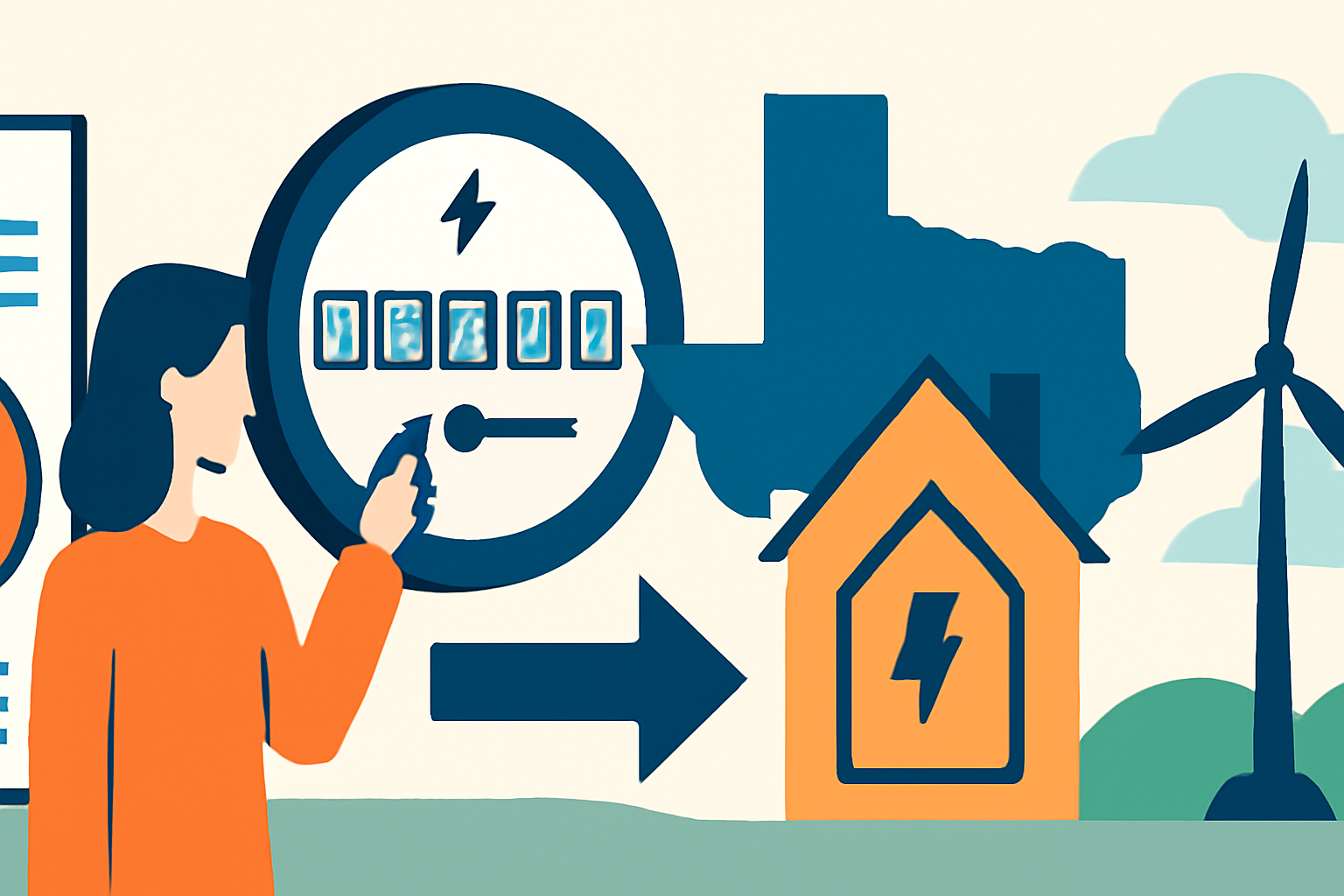
Meter readings determine the amount of energy usage that appears on a bill, and these readings can be either actual or estimated. An actual reading reflects real-time data collected directly from the meter, while an estimated reading is calculated based on historical usage patterns when a real reading is unavailable. When an estimate does not match actual consumption, customers may notice unusual spikes or dips in a later bill as the utility reconciles the difference. Reviewing the meter reading section of a statement can help a customer understand whether a bill's usage figures reflect real consumption or a projection.
What Is a Billing Cycle and Why Does It Matter?
A billing cycle refers to the period of time — typically about a month — during which usage is tracked before being totaled into a single statement. The exact start and end dates of a billing cycle can shift slightly from month to month due to factors like weekends, holidays, or meter reading schedules. Because the length of a billing cycle can vary, a bill covering a longer cycle may show higher usage even if daily consumption habits stayed consistent. Comparing bills side by side means paying attention to the specific dates each cycle covers, not just the total usage figure.
How Do New Jersey Utilities Differ in Bill Presentation?
While the underlying charge categories are consistent across the state, individual utilities may format their statements differently. Public Service Electric & Gas, Jersey Central Power & Light, Atlantic City Electric, and Rockland Electric Company each design their own bill layouts, which can mean differences in how sections are labeled, ordered, or visually presented. A customer moving between service territories, or simply comparing a bill to a sample found online, may notice these stylistic differences even though the core concepts — delivery charge, supply charge, meter reading, and billing cycle — remain the same.
What Role Does the NJ BPU Play in Your Bill?
The New Jersey Board of Public Utilities oversees the state's utilities and plays a central role in how bills are structured and regulated. The NJ BPU is responsible for reviewing and approving delivery rates, ensuring consumer protections are upheld, and monitoring billing accuracy across the state. This oversight helps ensure that the delivery portion of a bill reflects approved rates and that customers have a regulatory body to turn to if billing practices seem inconsistent or unclear.
How Can Understanding Your Bill Help You Choose an Energy Plan?
Once a customer understands the difference between the delivery charge and the supply charge, it becomes easier to evaluate whether a third-party energy plan might be worth considering. Because the delivery portion of a bill stays consistent regardless of supplier choice, the supply charge is the primary section a customer can influence when exploring different plans. A broker like Gatby can help customers find and connect with third-party energy plans, using the bill's existing breakdown as a reference point for comparing terms, structures, and features of different supply arrangements.
What Should You Do If You Spot a Billing Error?
If a bill appears inaccurate — for example, if usage seems inconsistent with actual consumption or a charge seems unexplained — the first step is typically to contact the utility directly to request a review. Utilities can often clarify whether a reading was estimated, confirm meter data, or correct a billing mistake. If the issue is not resolved through the utility, customers in New Jersey have the option to escalate the matter to the NJ BPU, which oversees billing accuracy and consumer protections across the state.
- Review the disputed line item and compare it to previous bills
- Contact the utility to request clarification or a correction
- Ask whether the meter reading was actual or estimated
- Escalate unresolved issues to the NJ BPU
Frequently Asked Questions
What is the difference between a delivery charge and a supply charge on a New Jersey utility bill?
The delivery charge covers the cost of transporting energy through poles, wires, and pipes and is set by the utility regardless of supplier choice. The supply charge covers the cost of the actual energy commodity and can vary depending on the source of a customer's energy plan.
Does switching energy plans change the delivery charge on a bill?
No. The delivery charge is tied to the infrastructure owned and maintained by the local utility, so it remains the same regardless of which company supplies the actual energy commodity.
Why might my usage look different between an actual and an estimated meter reading?
An actual reading reflects real data collected from the meter, while an estimated reading is based on historical usage patterns. When the two do not match, a later bill may show a noticeable adjustment as the difference is reconciled.
Do all New Jersey utilities format their bills the same way?
Not exactly. Public Service Electric & Gas, Jersey Central Power & Light, Atlantic City Electric, and Rockland Electric Company each use their own bill layouts, though the core charge categories, like delivery and supply, remain consistent across the state.
What should I do if I think my utility bill contains an error?
Start by contacting the utility to ask about the disputed charge or meter reading. If the issue remains unresolved, the matter can be escalated to the New Jersey Board of Public Utilities, which oversees billing accuracy and consumer protections.
How does understanding my bill help when considering a third-party energy plan?
Recognizing which portion of a bill is the supply charge helps a customer see what could change with a different energy plan, since the delivery charge stays constant. A broker like Gatby can help customers find and connect with third-party energy plans based on that comparison.
Related reading
Let Autopilot take energy shopping off your plate — just enter your zip code
Table of Contents
Table of Contents
You may also like